How one contractor turned multi-day inspections into 20-minute jobs
A thirty-year contractor with a reputation for tough pipe had a workflow stuck in another era. Here's how moving to AutoCode and Pioneer turned multi-day inspections into twenty-minute jobs — and doubled daily field production.
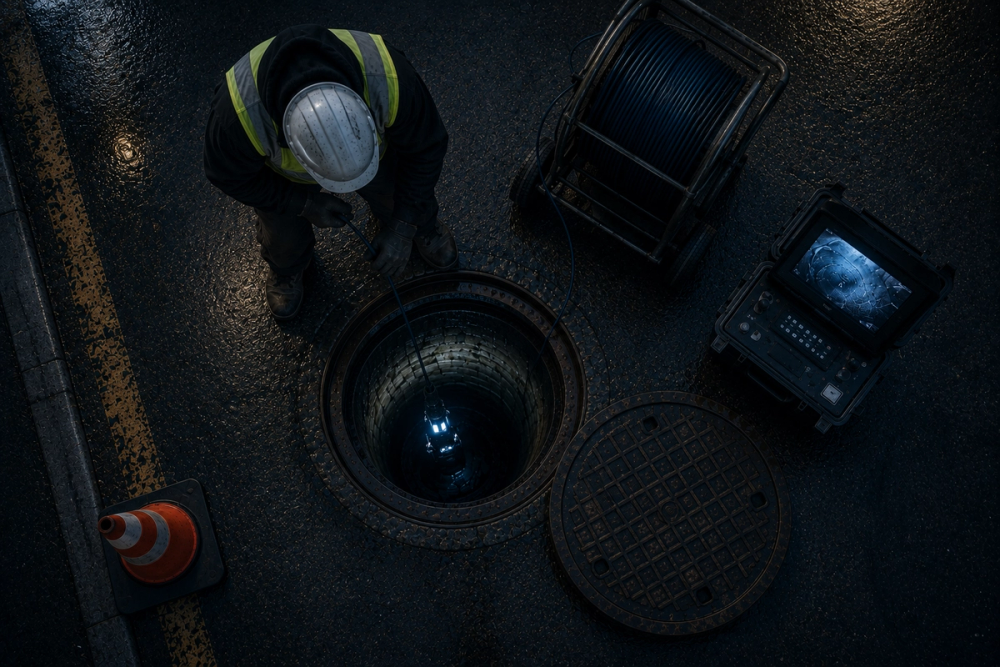
Some contractors build their reputation on the work nobody else wants. Large-diameter lines. Hard bends. Heavy debris. The jobs where the pipe fights back. One such crew, with a thirty-year name for handling exactly that kind of work, had a problem that had nothing to do with their skill in the field and everything to do with what happened after.
Their workflow was stuck in another era. Footage moved on VCRs and flash drives. Coding was manual. Every inspection stretched across multiple days, most of it spent not in the pipe but at a desk afterward. As demand grew, the math got worse: scaling up meant hiring more people to push more tape, not getting more out of the work they already did.
That is the ceiling a lot of strong field operations hit. The crew isn't the constraint. The back end is.
What changed
The fix wasn't a bigger team. It was moving the program onto AutoCode for AI defect coding and Pioneer to manage every inspection in one place. Onboarding took about an hour. The change to the workflow was immediate.
Inspections that used to span multiple days now finish in about twenty minutes. In-office assessment runs roughly six times faster. Daily field production doubled. Same crew, same trucks, same hard pipe. The difference is that the footage shot in the morning becomes coded, reviewable data almost as fast as it comes off the camera, instead of sitting in a queue of manual work.
What it unlocked
Speed was the headline, but capability was the real prize. Real-time monitoring of jobs in progress. Instant access to historical data on a line they'd inspected before. And room to take on work that the old workflow simply couldn't support, from drone integration to point-cloud models, the kind of services that win the next contract instead of just finishing the current one.
None of that replaced the crew. It pointed their time at the parts of the job that actually need a skilled human, and took the tape-shuffling off their plate.
The takeaway
The story here isn't really about twenty-minute inspections. It's about what happens when a contractor stops being limited by their back office. The capacity was always in the crew. It just took a workflow that could keep up with them to let it out.
Customer name withheld pending approval. Figures are from a real deployment.
See where your back end is costing you. A short walkthrough shows how AI coding and one connected workflow change daily production.

STAY AHEAD OF THE FLOW
Get SewerAI updates, product news, and practical guidance for modern sewer inspection programs.