How one utility turned 108 hours of cross bore review into 32
A West Coast gas and electric utility needed to find a rare defect across 1,040 lateral inspection videos and 64 hours of footage. AutoCode narrowed the search to 19 hours of targeted clips, PACP-certified technicians made every call, and review time fell from 108 hours to 32 with every known cross bore found.
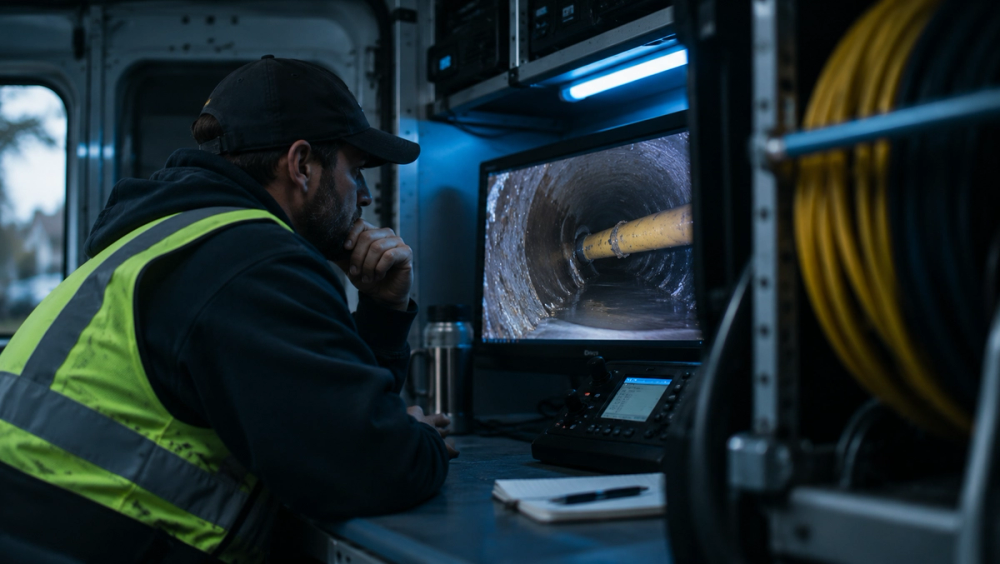
One of the largest combined gas and electric utilities on the West Coast runs a lateral inspection program built around a single defect. CCTV cameras go into sewer laterals near the utility's gas installations, and reviewers watch the footage for cross bores.
Before trusting AI with that work, the utility wanted proof on footage it already understood. It assembled 1,040 lateral videos covering about 25,000 feet of pipe and 64 hours of playback. Reviewed the traditional way, the set took 108 person-hours. With AutoCode flagging the footage and PACP-certified technicians making every call, the same review took 32, and every known cross bore was found.
A rare defect in a lot of clean pipe
A cross bore forms when a gas line installed by horizontal directional drilling passes through an existing sewer lateral instead of beside it. It's a known risk of trenchless construction, and gas utilities manage it by inspecting laterals near their installs and repairing any conflicts they find.
The defect is uncommon, and that's what makes the review demanding. In the utility's test set, 40 of the 1,040 videos contained a cross bore. The other 1,000 were clean. A reviewer working through that stack spends most of the day confirming pipe is fine, and the job only works if they're as sharp on video 900 as on video 9. Anyone who has reviewed CCTV for a living knows what the fourth hour of a shift feels like.
A test with the answers already known
The test set was built so nobody had to guess. Every video had already been reviewed, and the utility knew exactly which 40 held cross bores before AutoCode saw any of them.
A known-answer test tells a program far more than a demo can. Demos run on footage someone chose because it shows well. Footage you've already reviewed shows what the software catches, what it misses, and why.
SewerAI ran the videos through a version of AutoCode calibrated specifically for cross bores. The model flagged 39 of the 40, or 97.5%, on its own.
How the review worked
The review ran in two steps. First, AutoCode processed all 1,040 videos and grouped its predictions into short clips around each likely cross bore. That narrowed 64 hours of playback to about 19 hours of targeted footage.
Reviewing a short clip built around a flagged moment is a different job from scrubbing a full lateral video start to finish. The reviewer knows where to look and why, and each call gets their full attention instead of whatever is left after an hour of clean pipe.
Next, PACP-certified technicians reviewed every flagged clip in PIONEER® and made the final determination on each one. The AI decided where to look, and the certified reviewers decided what they were looking at.
Together, the two steps cut total review time from 108 person-hours to 32, a 70% reduction. The combined process found all 40 known cross bores.
The one it missed
The single cross bore AutoCode missed on its own sat under heavy deposits, obscured enough to make any review harder. The miss is a good argument for keeping a certified reviewer in the workflow. It also became training material, and images like it go back into the model so it keeps improving on that kind of footage.
Where the reviewers' hours went
Of the original 64 hours of playback, about 45 were clean pipe the reviewers no longer had to sit through. Their time went to the clips that needed a trained eye, and every decision stayed with them. The test became the basis for an ongoing AI-assisted audit program on the utility's lateral inspections.
Rare defects are where long video queues and tired eyes work hardest against a program. This utility tested the tool on footage it already understood, kept certified people in charge of every call, and let the AI carry the hours of clean pipe in between. Every lateral still gets reviewed, and the reviewers spend their attention on the footage that earns it.
See the two-step review in action. Book a demo and we'll walk through how AutoCode flags footage, how certified reviewers make the call, and what a known-answer test could look like on your own inspections.
Want the numbers first? Read the full case study →
STAY AHEAD OF THE FLOW
Get SewerAI updates, product news, and practical guidance for modern sewer inspection programs.