Houston's Sewer Consent Decree: An Investment in Resiliency & AI Innovation
Water Finance & Management columnist Greg Baird examines Houston's $6 billion EPA consent decree as an investment in infrastructure resiliency, highlighting how SewerAI's computer vision technology is helping the city meet its compliance obligations.
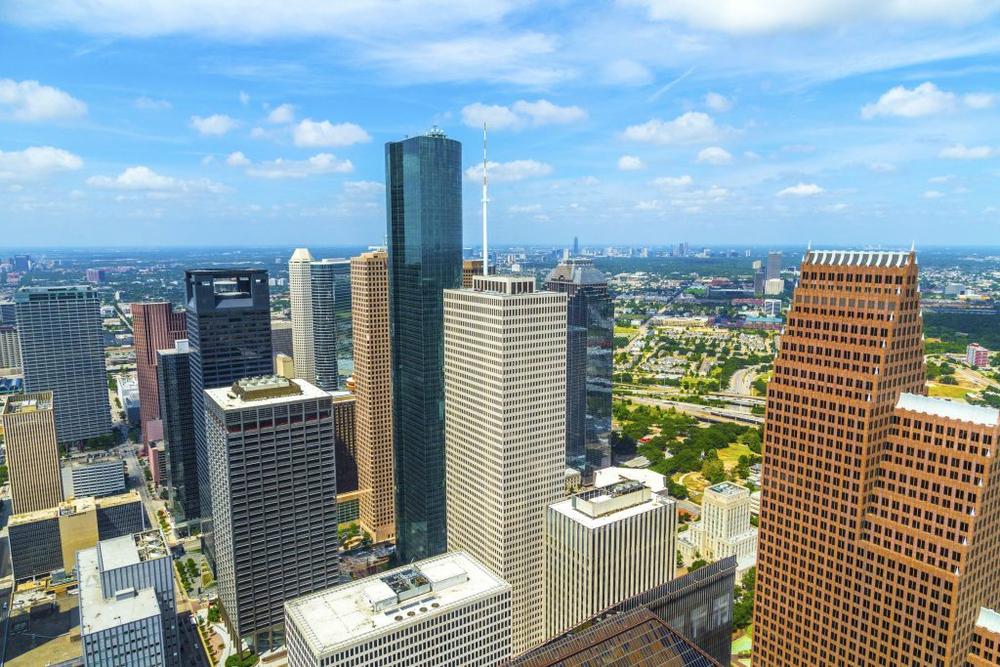
The following is based on an article by Greg Baird, President of the Water Finance Research Foundation, published in Water Finance & Management on December 3, 2021.
America's Infrastructure Challenge
The 2021 Infrastructure Report Card from the American Society of Civil Engineers painted a sobering picture of the nation's water infrastructure. The US received a 'C-' in water, a 'D+' in wastewater, and a 'D' in stormwater — grades that underscore the urgent need for investment, innovation, and long-term planning across the country.
The scale of the challenge is immense. The $62.5 billion wastewater industry in the US encompasses more than 875,000 miles of sewer lines, over 15,400,000 manholes, and more than 16,000 wastewater treatment plants. Maintaining and modernizing this vast network requires not only significant capital investment, but also smarter, more efficient approaches to inspection, data management, and decision-making.
Houston's $6 Billion Consent Decree
The City of Houston has legally entered into a consent decree with the US Environmental Protection Agency (EPA), committing to $6 billion in infrastructure efforts — $2 billion more than its existing sewer budget. With milestones and tasks stretched out over 15 years, the decree is designed to help the city avoid severe penalties and, more importantly, prevent catastrophic public health events.
Houston's sewer system is a massive undertaking in its own right. The city has stewardship over:
- 6,200 miles of sewer mains
- 129,600 manholes
- 381 lift stations
- 3 wet weather facilities
- 39 wastewater treatment plants
The consent decree calls for the rehabilitation, repair, and replacement of approximately 155 miles (800,000+ linear feet) of sewer pipe per year, as well as the installation of 3,000 smart manholes to better monitor potential overflows.
Leadership Driving Resiliency
As Greg Baird notes in his article, "Building resiliency into our communities starts with vision and leadership over several years." The team leading Houston's consent decree efforts reflects exactly that commitment. Houston Mayor Sylvester Turner, Yvonne Forrest (Director of Houston Water), Jack Canfield (Executive Assistant Director), and many others are working together to transform the city's aging infrastructure into a resilient, modern system.
Their approach goes beyond simply meeting compliance milestones. The team is actively incorporating cost-effective, time-saving technologies to maximize the impact of every dollar invested.
SewerAI and Computer Vision: A Smarter Way to Inspect
Among the most impactful technologies being deployed is human-assisted AI and computer vision — specifically SewerAI — for more effectively and accurately identifying sewer pipe defects in CCTV inspection videos. Traditional manual review of CCTV footage is time-consuming and prone to inconsistency. SewerAI's computer vision technology accelerates this process dramatically, enabling Houston's teams to process inspection data faster and with greater accuracy.
The technology stack being deployed across Houston's consent decree program includes:
- Human-assisted SewerAI/computer vision for defect identification in CCTV inspection videos
- Cloud platforms for scalable data storage and management of CCTV video libraries
- CCTV audits to ensure inspection quality and consistency
- Sensors and smart devices to connect data points and enable timely, informed decision-making
- Trenchless technologies for cost-effective pipe rehabilitation and repair
Digital Solutions: Scalable for Any Municipality
One of the most compelling aspects of these digital solutions is their scalability. Whether a municipality manages 100 miles of sewer mains or 6,200 like Houston, cloud-based platforms and AI-assisted inspection tools are accessible and affordable. Cloud platforms eliminate the need to purchase additional servers and physical computer storage for CCTV video archives — a significant cost saving for utilities of all sizes.
AI capabilities are also expanding beyond sewer mains. The technology is now being applied to laterals — including cross bore audits — and manholes, broadening the scope of what can be inspected, analyzed, and prioritized for repair.
A National Imperative
Houston is not alone in facing these challenges. The EPA is actively monitoring more than 772 combined sewer and consent decree cities across the United States. The pressure to modernize aging infrastructure, reduce overflows, and protect public health is a national imperative — and the solutions being pioneered in Houston offer a roadmap for communities everywhere.
Houston's $2 billion consent decree investment over 15 years is ultimately about more than regulatory compliance. It is an investment in the health, safety, and long-term resilience of the communities Houstonians call home — and a demonstration of what is possible when visionary leadership, smart technology, and sustained commitment come together.
Read the original article on Water Finance & Management.
STAY AHEAD OF THE FLOW
Get SewerAI updates, product news, and practical guidance for modern sewer inspection programs.