7 Strategies for Transitioning to a 100-Year Mindset
Sewer infrastructure is designed to last generations, yet most utilities manage it through short planning cycles and fragmented data. This whitepaper outlines 7 strategies for building a durable operating model that keeps utilities in control as assets age, workforces transition, and systems evolve.
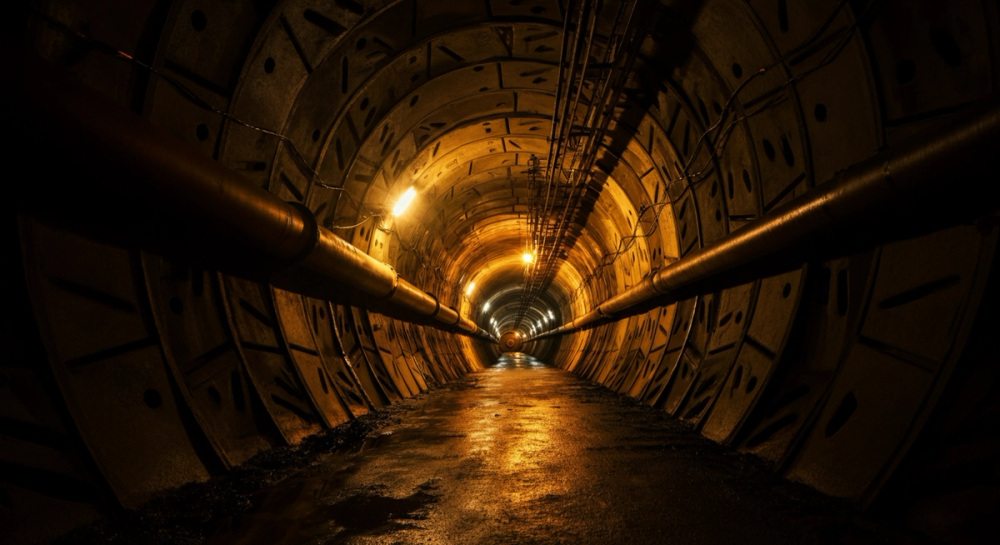
A durable operating model for proactive sewer management
Download the full whitepaper to explore all 7 strategies in detail and learn how SewerAI helps utilities build a durable operating model for the next 100 years.
Executive Summary
Our industry designs sewer infrastructure to serve communities for generations, yet organizations often manage those systems through short planning cycles and fragmented data. As those systems age and the workforce transitions, utilities face growing pressure to maintain performance and make confident decisions with limited time and resources. It is hard to get out of that cycle, but it is necessary.
A 100-year mindset offers a practical path forward. This idea focuses on building durable operational capabilities that remain effective as assets age, new hires enter the picture, and plant systems evolve. Utilities that adopt this mindset share several core characteristics:
- A unified system of record that preserves knowledge over decades
- Consistent insight that supports systemwide prioritization
- Faster translation of data into actionable plans
- Reduced cognitive burden on operators in the field
- Planning processes that extend beyond immediate failures
Strategy 1: A System of Record Built to Endure
A 100-year mindset begins with a durable system of record. This system serves as the long-term memory of the utility, connecting inspection results, asset condition, work history, and operational context in a single, reliable foundation. Long-term memory transcends the institutional knowledge held by any one employee; it can be accessed by future hires at any time.
When a system of record is consistent and accessible, utilities are less dependent on individual memory or informal documentation. Knowledge about how the system behaves under stress, where failures recur, and which interventions have been effective becomes part of the organization rather than residing with a few experienced individuals. This is especially important in the 2020s as the wastewater industry faces a wave of impending retirements.
Over time, the continuity of a system of record supports smoother workforce transitions, faster onboarding of new staff, and greater confidence in operational and capital decisions. The system evolves alongside the infrastructure, capturing changes and outcomes in a way that future teams can understand and trust.
The Problem
Without a durable system of record, institutional knowledge is fragmented across people, paper files, and disconnected software. As experienced staff retire, critical context is lost, forcing each generation of operators to rediscover the same issues.
The 100-Year Vision Solution
A unified system of record that preserves operational knowledge across decades, ensuring continuity, defensibility, and clarity regardless of workforce changes.
Strategy 2: Consistent Insight Across the Entire Network
Long-term sewer management depends on insight that scales. Inspection data and condition assessments must be consistent across crews, contractors, and time periods if utilities are to prioritize work effectively across thousands of assets.
Standardized insight allows utilities to compare conditions across the network, understand relative risk, and update priorities as new information becomes available. This consistency supports transparent decision-making and enables planning at the system level rather than through isolated responses to failure.
When insight is consistent, utilities gain a clearer picture of overall system health. Decisions become repeatable and defensible, supported by data that carries the same meaning regardless of who collected it or when.
The Problem
Inconsistent inspection interpretation and condition assessment lead to rework, mistrust in the data, and prioritization driven by recent failures rather than systemwide risk.
The 100-Year Vision Solution
Standardized, scalable insight that enables utilities to manage risk across the entire network with confidence and transparency.
Strategy 3: Translating Insight Into Action at the Right Pace
A system of record provides understanding, yet proactive management requires the ability to act on that understanding efficiently. A 100-year mindset includes a system of action that converts insight into work plans, budgets, and schedules at a pace aligned with asset deterioration.
As sewer systems age, the volume of decisions increases. Utilities must determine which assets to address, when to intervene, and how to allocate limited resources. When planning processes are slow, utilities are forced to remain reactive even when they understand the risks ahead.
Faster translation from insight to action allows utilities to maintain control. Planning becomes a continuous function rather than a periodic project, and decision-makers can focus on refining priorities rather than assembling information.
The Problem
Lengthy planning cycles delay execution, increase reliance on external analysis, and prevent utilities from acting ahead of failures.
The 100-Year Vision Solution
An operating model that enables rapid, defensible planning so insight can be turned into action before deterioration accelerates.
Strategy 4: Reducing Cognitive Burden in the Field
Field operations sit at the center of sewer system performance. Operators are responsible for physically demanding work that requires attention to safety, equipment, and site conditions. At the same time, they are often expected to interpret complex inspection data and meet detailed documentation requirements.
A 100-year mindset recognizes that sustainable field operations depend on reducing unnecessary cognitive load. When technology supports classification and validation tasks, operators can focus on execution and quality. This approach leads to more consistent inspections, improved safety, and a more manageable workload. It also shortens training time for new operators by providing clearer structure and expectations.
The Problem
Operators face competing demands between physical work and data interpretation, contributing to fatigue, errors, and longer learning curves.
The 100-Year Vision Solution
Field workflows that prioritize safety and execution, supported by systems that absorb analytical burden and promote consistency.
Strategy 5: Preserving Institutional Knowledge Over Time
Institutional knowledge shapes how sewer systems are managed. It includes understanding where failures recur, how assets respond to seasonal conditions, and which interventions have produced lasting results. A 100-year mindset treats this knowledge as an asset that must be deliberately preserved.
By capturing observations and linking them to specific assets, utilities ensure that experience informs future decisions rather than disappearing when individuals leave. Preserved knowledge accelerates training, improves continuity, and strengthens long-term understanding of system behavior. It allows utilities to build on past experience rather than repeating it.
The Problem
Critical operational knowledge leaves with retiring staff, weakening continuity and forcing new teams to relearn system behavior through trial and error.
The 100-Year Vision Solution
Structured preservation of institutional knowledge so experience compounds and strengthens the system over time.
Strategy 6: Coordinating the Sewer Ecosystem Through Shared Understanding
Sewer system outcomes depend on coordination among utilities, contractors, engineers, and planners. A 100-year mindset extends beyond organizational boundaries by aligning these stakeholders around shared information.
When data and expectations are consistent across the ecosystem, handoffs become smoother, disputes decrease, and execution becomes more predictable. Shared understanding supports efficient collaboration and reduces delays caused by clarification and rework.
The Problem
Fragmented data across stakeholders leads to inefficiencies, delayed execution, and reduced confidence in outcomes.
The 100-Year Vision Solution
A shared system of record that aligns the ecosystem and supports coordinated, predictable delivery.
Strategy 7: Planning for the Long Term While Maintaining Control
Long-term planning becomes practical when insight, prioritization, and execution are connected. A 100-year mindset allows utilities to establish multiyear maintenance and capital programs without sacrificing daily operational control.
As planning horizons extend, emergency responses decrease and progress becomes measurable. Utilities gain greater confidence in budget justification, funding readiness, and system performance over time.
The Problem
Short planning cycles trap utilities in reactive management, limiting the ability to reduce long-term risk.
The 100-Year Vision Solution
Integrated planning processes that support proactive investment while maintaining operational stability.
Moving Toward a 100-Year Mindset
Transitioning to a 100-year mindset does not require immediate, wholesale change. Utilities typically begin by addressing their most acute operational challenge and building outward. Incremental progress allows teams to improve consistency, reduce friction, and demonstrate value without disrupting daily work. Over time, these improvements compound into a durable operating model.
Conclusion
Sewer infrastructure will continue to age, and workforce transitions will continue to reshape utility operations. A reactive approach cannot keep pace with these realities. A 100-year mindset provides a practical framework for building systems that endure. By investing in durable records, consistent insight, faster action, and operator-centered workflows, utilities can maintain control over time and deliver reliable service for generations to come.
Ready to go deeper? Download the full whitepaper to explore all 7 strategies in detail and learn how SewerAI helps utilities build a durable operating model for the next 100 years.



STAY AHEAD OF THE FLOW
Get SewerAI updates, product news, and practical guidance for modern sewer inspection programs.